Aural Field Survey 


︎︎︎ Back to Field Collection

Atlantic Center for the Arts Campus / New Smyrna Beach, Florida


A transitional upland at the intersection of conservation land and active airspace — where longleaf pine flatwoods persist beneath patterned aviation routes, and seasonal raptors return to the same canopy each year.


02 12 2026, 4:20 PM EST
29°04’24.2 N 80°57’42.3 W
63° F, 17.2° C, 67% RH
Partly Cloudy
Wind 11mph, Gusts 17 mph, Direction 12° NNE


Geographic Features
---
Coastal plain, Pine flatwoods, Scrub habitat, Watershed

Patterns of Land Use
---
Conservation land, W


The path is overgrown. It is not maintained, but it is passable. Grasses lean inward where others may have walked before. Pine needles cover the ground in a loose brown layer. Cones lie scattered.

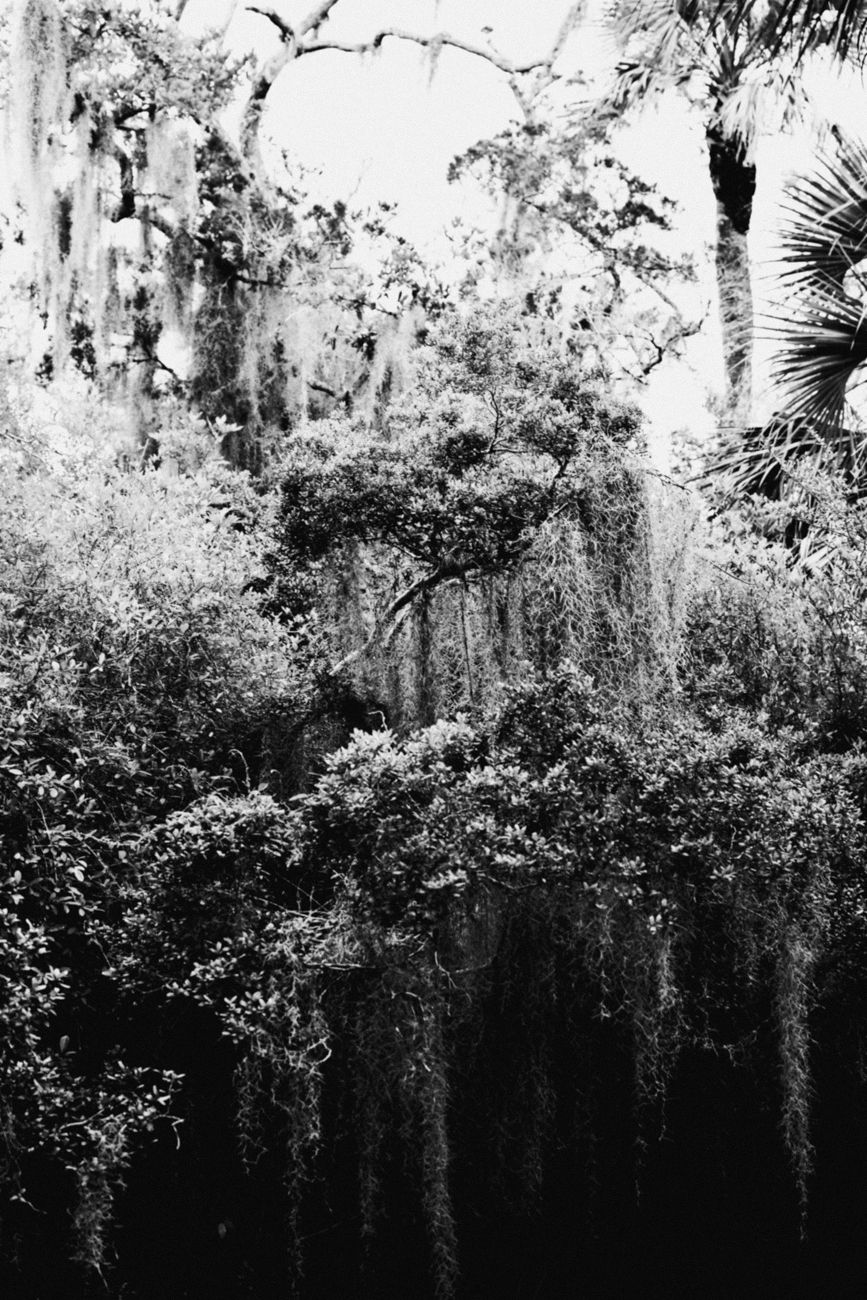
The trees rise at measured intervals. Some are slender and straight; others lift fuller crowns high above the palmetto. The canopy is open enough for light to reach the understory. Sunlight falls in angled bands, touching dried fronds and rusted seed heads.

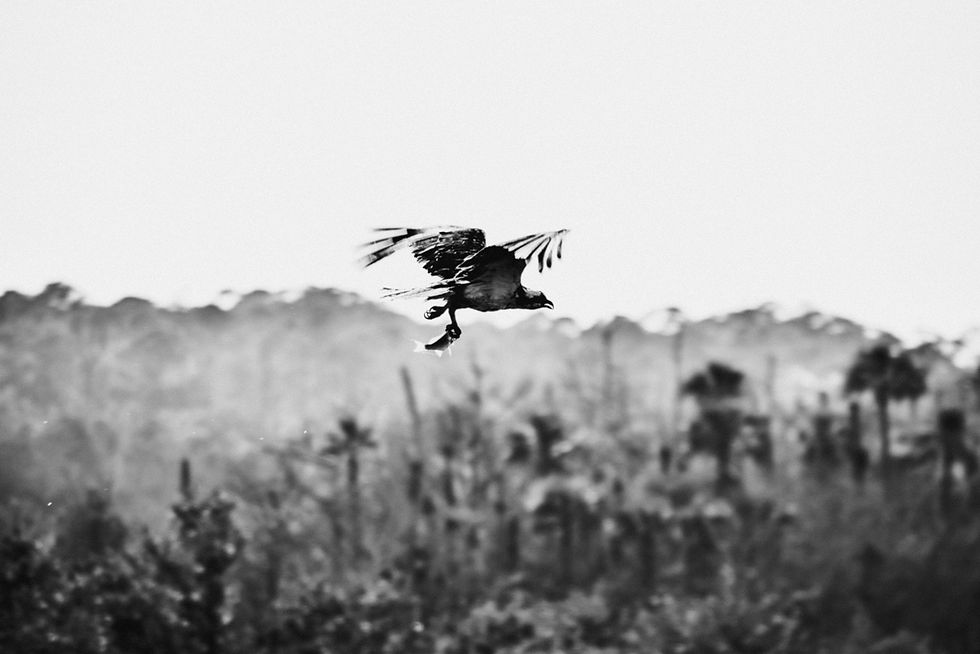
A small prop plane moves overhead. The sound arrives first — a low, steady hum — then the aircraft appears briefly through the canopy. It follows a practiced path, part of the flight school nearby. A sharp cry carries across the clearing—an eagle circles above the treetops. I have been told a pair returns to this area each year. Their nest is visible high in a tall pine. The bird lands near it and settles.

The path glows in the low sun. Wind moves through the needles, and crickets begin to sound from the grasses. The plane’s hum fades completely. The sky is wide and blue above.


︎︎︎ Back to Field Collection


Riverside Park Pier / New Smyrna Beach, Florida


This site lies within an Atlantic barrier-island estuary — a shallow, brackish lagoon shaped by tides and freshwater inflow. Oyster beds, sandbars, and mangroves define the shoreline, with palms and low-density homes set just beyond. A bridge links the mainland to the island, and a public pier supports fishing and boating. Ecology, infrastructure, and settlement exist here in close, ongoing balance.


02 13 2026, 3;35 PM EST
29°01'22.6"N 80°55'09.6"W
66° F, 18.8° C, 60% RH
Sunny
Wind 10mph, Gusts 15 mph, Direction 21° NNE


Geographic Features
---
Estuary, Lagoon, Shoreline, Mangrove fringe, Coastal plain

Patterns of Land Use
---
Public park, Boardwalk, Waterfront access, Transportation corridor


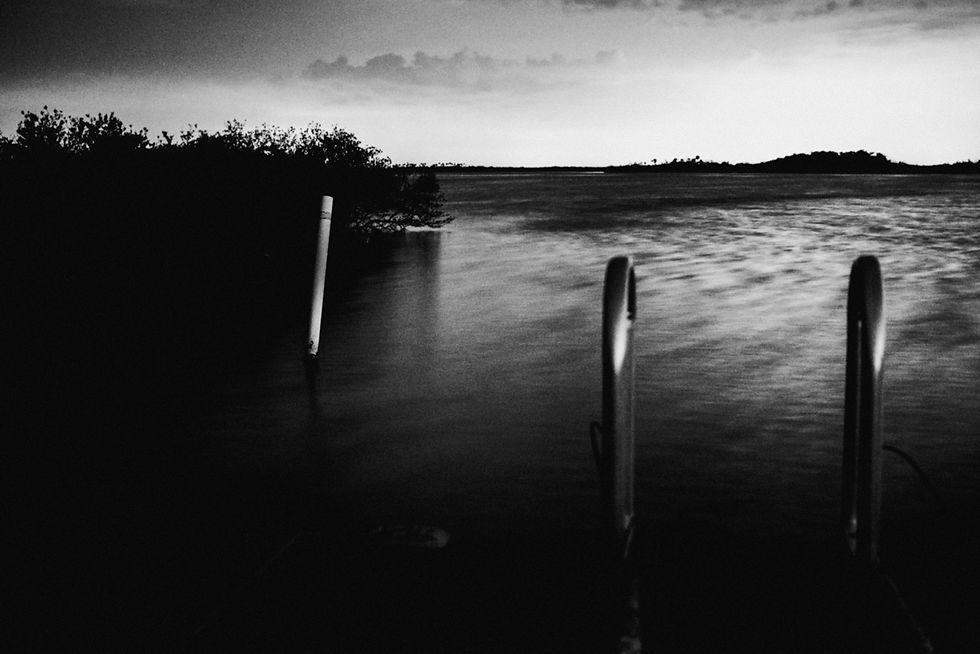
A bridge frames the sky. Birds rise beneath in small coordinated bursts. Along the water, mangroves press toward the shoreline, their roots exposed in tight, anchored tangles. Oysters gather in pale, irregular mounds just below the surface. Sunlight bends across their shells in shifting patterns. The small waves roll with silt, then clear again.

A blimp passes slowly in the distance. A gull crosses beneath a light pole. Sailboats sit anchored in the channel, held by unseen lines. Palm fronds tilt in the breeze. Fishermen stand with their lines lowered on the wooden pier. A brown pelican drops and lifts as traffic hums across the bridge overhead.


︎︎︎ Back to Field Collection


Florida East Coast Railway Locamotion Shop / New Smyrna Beach, Florida


A rail corridor runs beneath an overpass at the edge of town, where freight, highway traffic, and remnant scrub meet.


02 13 2026, 5:20 PM EST
29°01'22.2"N, 80°55'35.2"W
64° F, 17.7° C, 68% RH
Sunny
Wind 9mph, Gusts 16 mph, Direction 20° NNE   


Geographic Features
---
Coastal plain, Scrub habitat

Patterns of Land Use
---
Transportation corridor


The tracks run straight ahead, then begin to bend, their steel catching light in narrow bands. Gravel is packed between the ties. Fallen palm fronds lie caught in the gaps. To one side, service boxes sit on a strip of cut grass. Behind them, cabbage palms and scrub form a dense margin. The growth presses close to the rail corridor but does not cross it.

A freight train passes beneath the concrete bridge. Its headlights are steady against the flat sky. The numbers on the engine are fixed and legible; the cars follow in measured sequence. Above, vehicles cross the overpass without pause. Two movements, one elevated, one on the ground, neither interrupting the other.

Signal towers stand along the line, ladders bolted to their sides. Their metal surfaces catch the light. Behind the corridor, cabbage palms rise above a dense edge of scrub and oak. The vegetation is thick but contained — held back from the tracks by gravel and clearance. The sun is low enough to outline fronds and leaves.

The site feels provisional rather than wild — a maintained passage bordered by trees, defined by steel, shaped by the steady exchange of transit.


︎︎︎ Back to Field Collection


New Smyrna Beach Municipal Airport / New Smyrna Beach, Florida


The airport is situated approximately 3 nautical miles northwest of the city of New Smyrna Beach.


02 16 2026, 4:57 PM EST
29.0565° N, 80.9426° W
62° F, 16.6° C, 77% RH
Partly Cloudy
Wind 12mph, Gusts 22 mph, Direction 4° N  


Geographic Features
---
Flat Coastal Plain, Edge Habitat, Coastal Scrub

Patterns of Land Use
---
Aviation Infrastructure, Transportation Infrastructure, Managed Landscape, Utility Infrastructure, Institutional / Civic Land Use

Behind the municipal airport, the land lies flat and closely kept. Grass is cut short across a broad field, broken by shallow drainage dips and a small concrete service building. A chain-link fence runs the perimeter. Palms stand at intervals, evenly spaced.

Beyond the cleared ground, scrub and live oak gather into a dense edge. Vines thread through the branches. In the overgrowth, a low shed sags, a scatter of old tires half hidden in grass.

Aircraft sit on the tarmac in the near distance. The Good Year blimp rests tethered, its surface unmoving. The control tower rises in the distance. Sound carries easily here.

The space is open but not empty; it is managed ground at the edge of infrastructure, bordered by coastal vegetation that presses close but remains outside the fence.